I Made My First Million at 24″: How GALXBOY Founder Thatiso Dube Built a Streetwear Empire
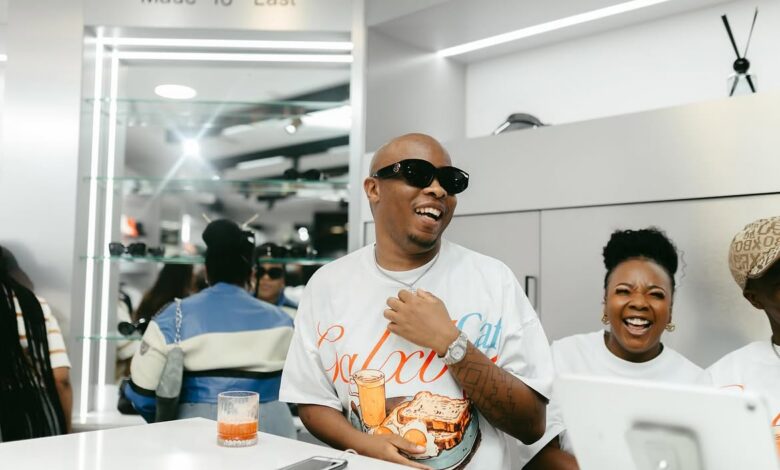
Before GALXBOY became a household name across South Africa—scaling to 18 flagship stores, 3 massive fulfillment warehouses, and over 1 million orders processed—it was simply a high school hustle born out of daily pocket money. Founder and Creative Director Thatiso Dube famously saved his R20 daily lunch money to print his very first batch of t-shirts.
However, every iconic brand has a defining moment where a scrappy side hustle transitions into a serious corporate entity. For Dube, that pivotal realization occurred at age 24, when he officially crossed his first million-rand mark.
Speaking at Standard Bank’s Kasi SME Summit in Port Elizabeth, Dube reflected on hitting his first million, the early mindset traps that followed, and how that financial milestone forced him to build a lasting business structure.
From Pocket Money Hustle to Proof of Concept
When Dube first started printing t-shirts as a matric student in Pretoria, he didn’t view himself as a future corporate executive.
“That’s when actually the selling started, but I didn’t see it as a business at that time. It was just me making pocket money, because I didn’t know that Black people can own clothing brands,” Dube revealed.
His perspective shifted in 2012 after spending six months working closely with street culture pioneer Ama Kip Kip. Instead of taking a standard salary, he asked for operational knowledge—learning factory sourcing, quality control, and production standards. Shortly after registering GALXBOY and opening a Standard Bank business account, sales began to surge through word-of-mouth, Facebook, and WhatsApp.
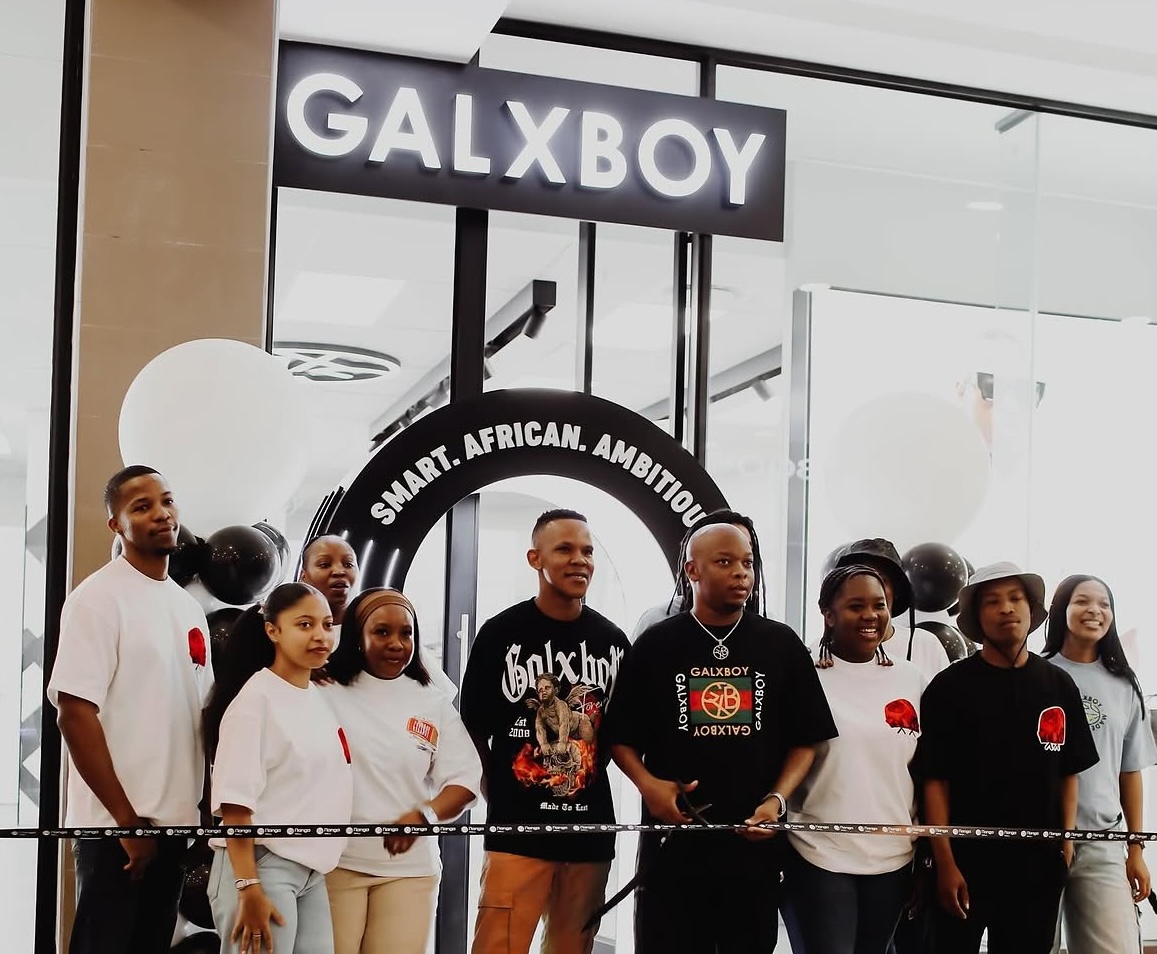
Hitting R1 Million at Age 24: “That’s When I Knew It Was Serious”
By the time he turned 24, the volume of orders hitting his account proved that GALXBOY was no longer just a local trend—it was a high-growth commercial enterprise.
“When I realized that GALXBOY was gonna be something huge was obviously when I was making a bit of money,” Dube shared. “I made my first million when I was 24… at that point, that’s when I knew GALXBOY was a serious business.”
Reaching seven figures as a young, self-taught founder validated that young South Africans were hungry for local streetwear that represented their identity. But generating a million rand as a solo founder introduced a brand-new set of operational challenges.
The Danger of Early Money & The 2017 Crash
Making substantial money at a young age without formal corporate governance can easily lead early-stage entrepreneurs into ego traps and mismanaged cash flow.
“As a young person making a lot of money, those things get to your head and you make some mistakes,” Dube admitted candidly.
Buoyed by early financial success, GALXBOY opened its first physical flagship store in 2014. However, running a physical retail store required unit economics, lease management, inventory tracking, and point-of-sale systems that Dube hadn’t yet mastered. In 2017, after three years of operation, the store was forced to shut its doors.
Embarrassed by the public failure, Dube went “underground.” Rather than walking away, he used the setback as a wake-up call to audit his mistakes, complete business management courses, and re-engineer the company’s financial backend.
Turning One Million into an Empire: The Power of Delegation
The biggest lesson Dube learned after hitting his first million—and subsequently losing his first store—was that a founder cannot scale a multi-million-rand enterprise alone.
To turn GALXBOY into an enduring brand, he roped in executive financial leadership under CFO Lesego Mosupye. By handing over operations, financial management, and banking relationships to professionals, Dube freed himself to focus entirely on creative vision and product refinement.
“One of the great qualities that Thatiso has as an entrepreneur is he had the vision to let go,” noted CFO Lesego Mosupye. “He focuses on creative, and we let him spend his time on creative so we can deal with the rest.”
The Takeaway for Emerging Founders
Thatiso Dube’s story proves that making your first million isn’t the finish line—it is merely the entry fee to the big leagues.
For young African entrepreneurs, the real test lies in maintaining humility when early cash flows in, investing heavily back into product quality, and building a corporate structure capable of turning a single million into a multi-store empire.