20 Business Lessons From GALXBOY Founder, Thatiso Dube
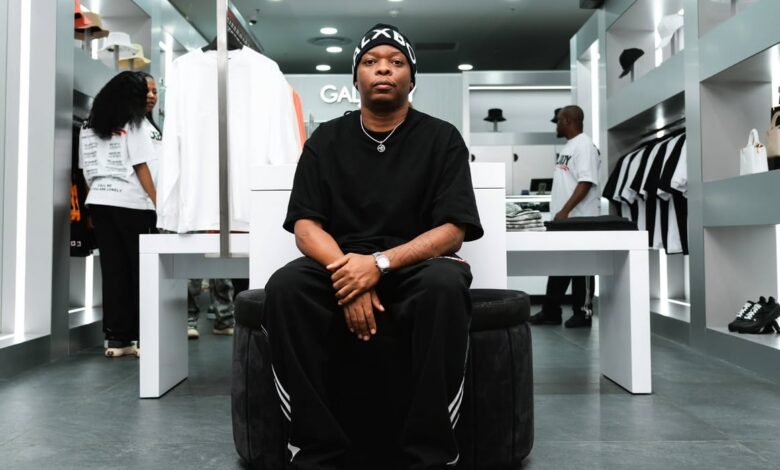
Building a clothing brand from the ground up into a massive contemporary African streetwear empire requires more than just good design—it demands operational discipline, resilience, and a deep understanding of your core market.
From saving high school lunch money to operating 18 flagship stores, 3 warehouses, over 250 employees, and processing more than 1 million orders, GALXBOY Founder and Creative Director Thatiso Dube, alongside Head of Marketing Athabile Ngxamngxa and Chief Financial Officer Lesego Mosupye, shared invaluable insights at Standard Bank’s Kasi SME Summit in Port Elizabeth.
Here are 20 core business lessons drawn directly from the GALXBOY growth story.
1. Bootstrapping Starts with What You Have
You don’t need a massive capital injection to launch your first idea. Thatiso started GALXBOY in high school by saving his R20 daily lunch money for three days straight—eating peanut butter and jelly sandwiches—just to raise the R60 required to produce his very first t-shirt.
2. Validate Demand Within Your Immediate Circle
Before trying to build a mass-market brand, test your product on the people closest to you. Thatiso made t-shirts for his high school crew first; once the rest of the school saw them on casual day, demand spread naturally.
3. Reinvest Every Cent Early On
In the initial stages, treat sales revenue as fuel for production rather than personal income. By selling one t-shirt, Thatiso made enough profit to manufacture two, then three, gradually snowballing his inventory through organic cash flow.
4. Representation Unlocks Ambition
Role models prove what is possible. Thatiso initially treated making clothes as just a pocket-money hustle because he didn’t know Black entrepreneurs could own major clothing brands. Discovering local Black-owned street culture brands like Ama Kip Kip expanded his mindset and sparked his drive to build a real business.
5. Prioritize Knowledge Over Short-Term Cash
In 2012, Ama Kip Kip offered Thatiso a salary of R6,000 a month to work as a designer. Instead of taking the money, he turned down the salary in exchange for insider business knowledge: learning how to manage production, source high-quality manufacturers, and maintain brand standards over a six-month contract.
6. Exposure Builds Brand Value
Building brand equity precedes setting premium prices. Early on, Thatiso pushed the brand through organic channels like WhatsApp and Facebook to gain visibility. While exposure doesn’t pay immediate bills, putting the name out there creates recognition and builds the perceived value required to command higher prices later.
7. Success Demands Structure and Investment
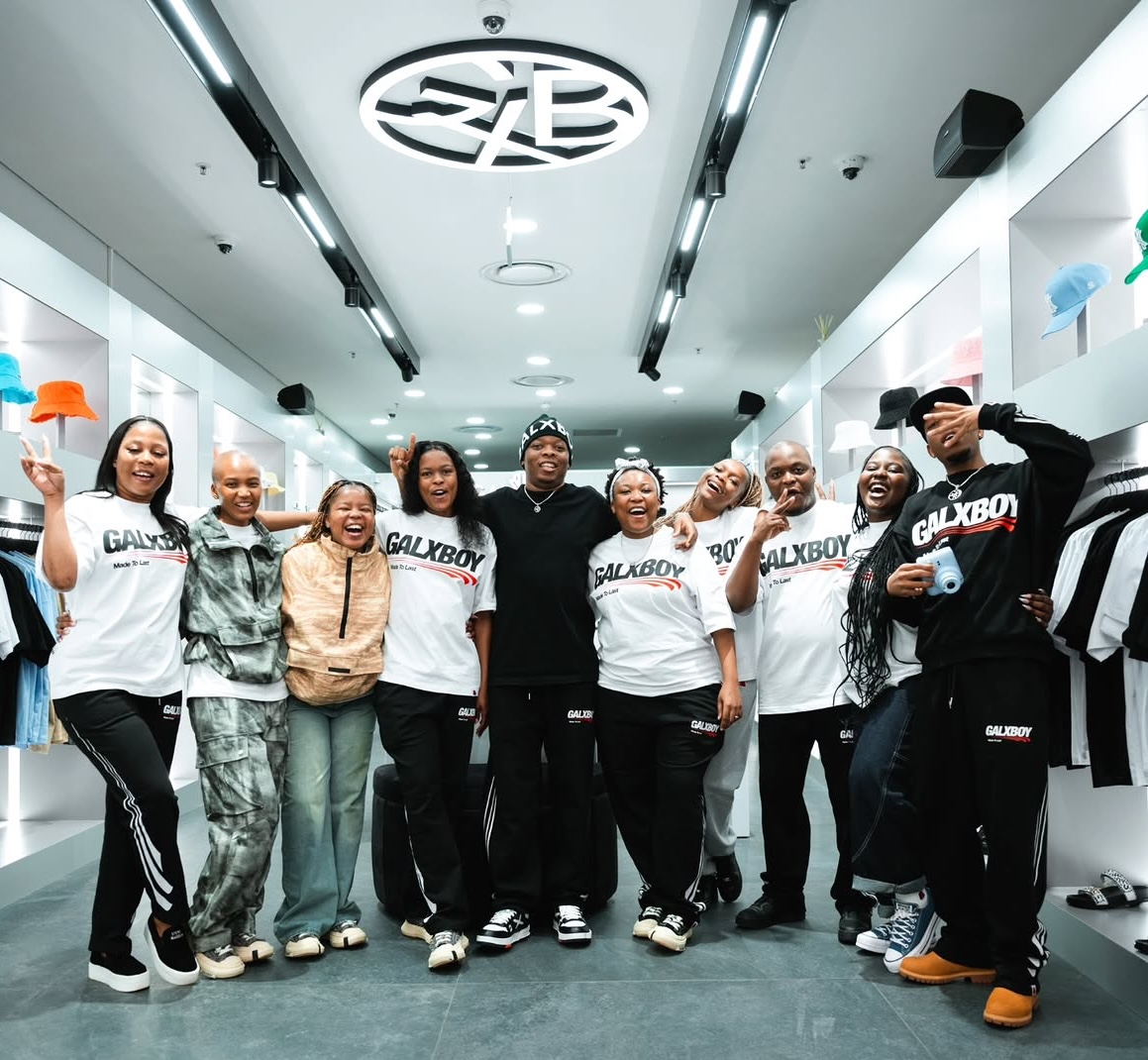
Hustling only takes you so far. When GALXBOY hit its first million rand, Thatiso was still running the business largely on his own. Recognizing the sheer scale of the opportunity forced him to stop treating it as a hustle, take it seriously, and invest heavily back into product development and infrastructure.
8. Setbacks Are ‘Potholes’, Not Dead Ends
In 2017, after three years of operation, GALXBOY’s first physical store was forced to shut down, causing Thatiso immense public embarrassment as the face of the brand. Instead of quitting, he viewed the failure as a temporary “pothole” on a long-term journey, taking time out of the public eye to audit his mistakes and upskill himself with an online business management course.
9. Bring in Expertise to Complement Your Weaknesses
Creative genius cannot scale a business alone. Realizing he couldn’t handle every aspect of the company, Thatiso brought in professional financial leadership—eventually appointing CFO Lesego Mosupye—to structure the business, implement corporate governance, and prepare the company to deal with institutional investors.
10. Win Your Local Community First
As Head of Marketing Athabile Ngxamngxa highlights, the most efficient way to scale a brand is through community buy-in. Convincing friends, extended family, and immediate networks to back your vision creates a strong foundation. A tight-knit community of believers provides a far stronger sales pitch than trying to convert complete strangers from scratch.
11. Sell Identity and Belonging, Not Just Fabric
A powerful brand allows customers to self-actualize. GALXBOY succeeded because young consumers attached their personal identity to the clothing—seeing the brand’s growth as a reflection of their own ambitions and a unifying symbol of youth culture.
12. Align Corporate Partnerships Around Shared Beliefs
Strategic corporate relationships thrive on shared values, not transactional sales. GALXBOY partnered with Standard Bank because both organizations believe in growing the township economy and supporting Kasi SMEs. Similarly, their collaboration with Bafana Bafana stems from a shared commitment to young people, sports, arts, and culture.
13. Build a Track Record to Unlock Financial Capital
Financiers rarely fund unproven ideas. Early on, banks viewed GALXBOY as simply “selling hoodies and t-shirts.” To overcome this, the team bootstrapped the operation to establish a proven point-of-sale track record, allowing them to secure self-liquidating cash-flow facilities through Standard Bank to fund major mall expansions.
14. Turn Customers into Lifetime Brand Supporters
Sustainable business growth relies on customer lifetime value. CFO Lesego Mosupye notes that GALXBOY runs on lifetime fans. Communicating a clear value proposition turns casual buyers into passionate brand supporters who sustain the business through every growth phase.
15. Prioritize Product Quality Above Marketing Hype
Marketing creates short-term attention, but product quality builds long-term loyalty. Thatiso places 100% of his priority on investing in the product itself, believing that while customers can’t live with a marketing campaign, they live with the fit, feel, and experience of the physical product every day.
16. Benchmark Against Industry Leaders
To compete at an international standard, study and adopt the operational methods of global giants. Before making t-shirts, Thatiso inspected Nike products at retail stores—researching where they were produced, how they were constructed, and which shipping lines were used—so he could replicate their supply chain structure at his own scale.
17. Protect Your Intellectual Property Early
As your brand grows, counterfeiters will attempt to exploit your brand equity. GALXBOY registered its trademarks and intellectual property globally, while actively collaborating with authorities like SARS to intercept, detain, and destroy counterfeit shipments entering the country.
18. Delegate to Protect Your Core Strengths
Founders must learn to let go of operational areas outside their domain. By delegating finance, operations, and marketing to specialized leaders, Thatiso protected his creative energy—ensuring the core design identity of the brand remained sharp while the business expanded.
19. Cultivate Organizational Resilience
A business culture must be built to withstand failure. Athabile Ngxamngxa notes that GALXBOY’s rapid resurgence was made possible because the team shared the founder’s courage to try again, dust themselves off after missteps, and relentlessly explore new avenues to achieve their goals.
20. Hire People Who Love What You Dislike
A sustainable business cannot rely on a founder doing tasks they dread. Thatiso’s operational philosophy is simple: identify the necessary business functions you dislike doing, and hire talented professionals who are passionate about doing them. This creates automated structures capable of servicing thousands of customers seamlessly.