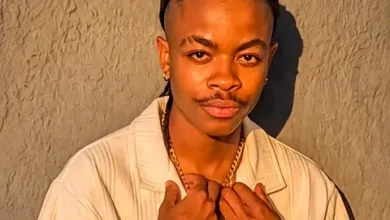
Lasizwe Opens Up About the Challenges Influencers Face When It Comes to Paying Tax
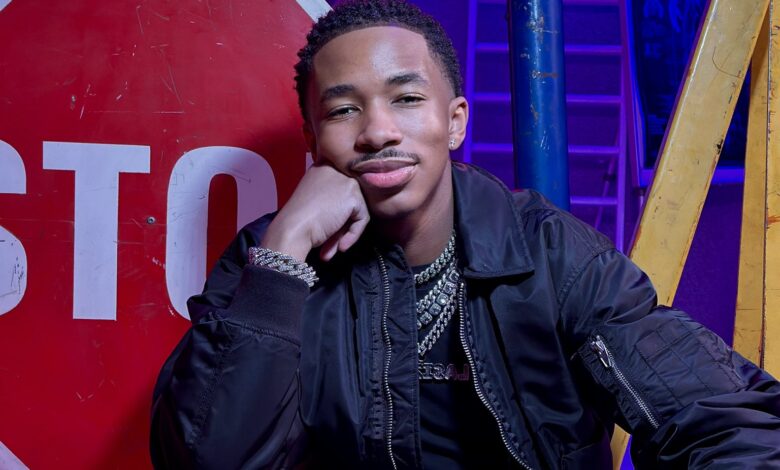
Lasizwe Opens Up About the Challenges Influencers Face When It Comes to Paying Tax. Recently, the South African Revenue Service (SARS) made a requirement for social influencers to pay tax. These individuals, have to declare all income received, regardless of its form.
Social influencers monetize their reach through partnerships with brands, creating sponsored content, or promoting products and services. SARS views these activities as constituting work similar to freelancing or contract employment. As such, influencers are subject to income tax based on current brackets outlined in the Income Tax Act (ITA).
One of the most prominent influencers in the country is Lasizwe. He has worked with so many brands including Fanta, Coca Cola, Maybelline, and Volvo. When addressing the tax issue, Lasizwe made it clear that he pays tax. He stated that their industry, has a challenged because it isn’t traditional. There can be delayed payments, and sometimes what they get are gifts, not salaries. Lasizwe has thus called for structure, education and open dialogue. He suggested a workshop with SARS where many factors can be put in clarity.
“I want to be clear, I do pay tax. Mina I’ve always contributed and I believe in building this country. But this industry isn’t traditional. There are blurred lines between paid work, gifting, trade exchanges, and delayed payments, like some creators still wait months to be paid. Taxing influencers without understanding how we work risks punishing survival, not regulating success. Yebo, creators are getting cars, campaigns, and visibility but the lines between income, trade, and gifting are still unclear. That’s why we need structure, education, and open dialogue, not shame or confusion. Mina, I’d genuinely welcome a workshop or sit down with abo SARS to discuss how creators can contribute in a way that’s fair, informed, and future proof. nithini nina?” Lasizwe said.